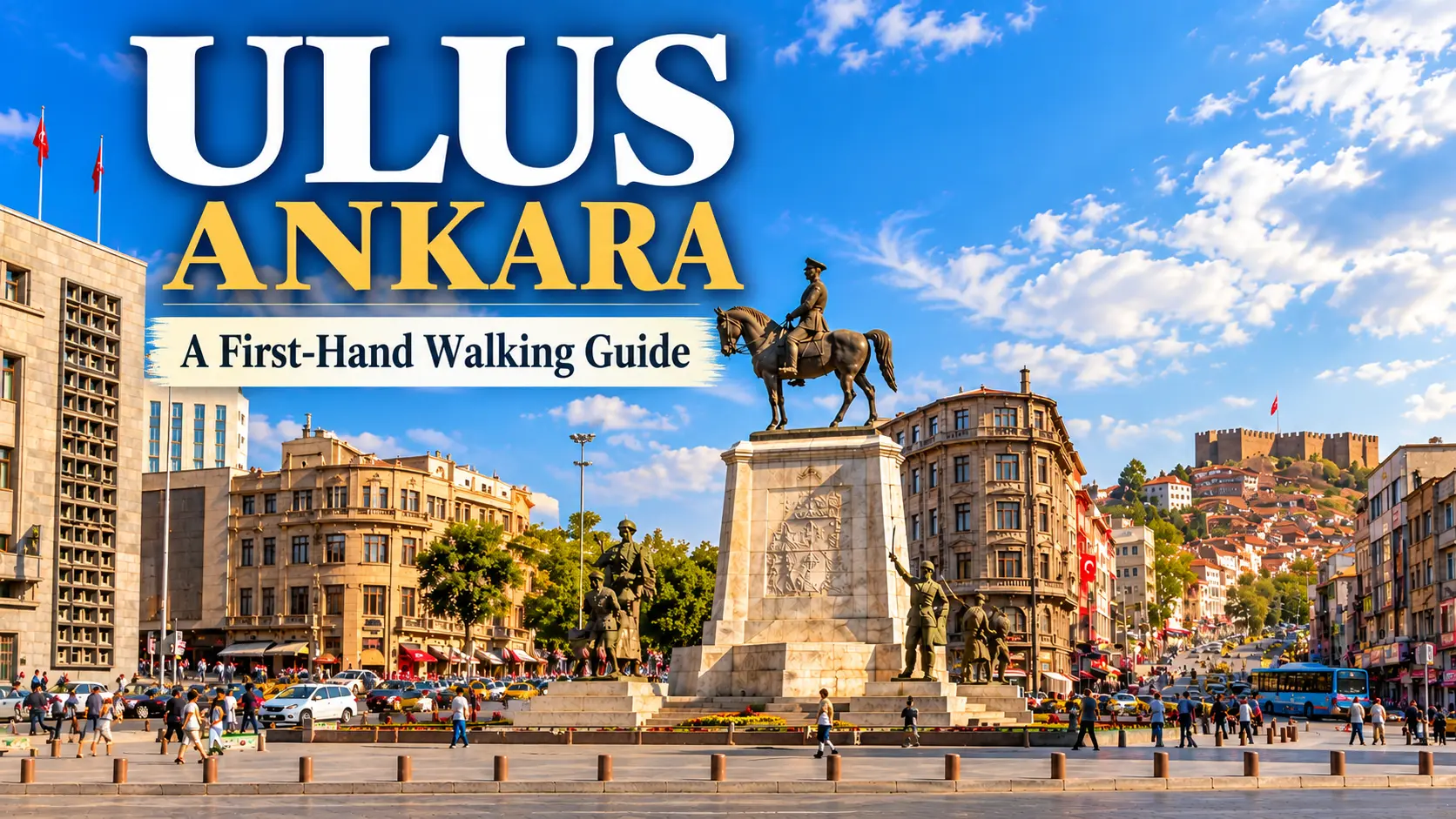
Ulus is not the most polished part of Ankara. That is one of the reasons I think it is worth walking through.
I arrived by metro and spent about two and a half hours exploring the area on foot. What stayed with me was not one monument or museum, but the way everyday city life and Ankara’s long history seemed to occupy the same streets.
Around one corner, people were shopping for ordinary household goods. Farther uphill, signs pointed toward Ankara Castle and several museums. Roman remains appeared within the modern city, while old houses and stone walls became more prominent as I climbed toward the castle.
My first impression can be summed up in two words: energy and history.
Ulus is not an open-air museum separated from the city around it. It is still a working part of Ankara. That makes it less tidy and less immediately picturesque than some historic districts in Türkiye, but it also gives the area a character that is difficult to understand from attraction lists alone.
Is Ulus Worth Visiting?
For a first visit to Ankara, I would give Ulus a high priority if you are interested in history, old streets, markets, archaeology or understanding the city beyond its modern avenues.
Several important places representing different periods of Ankara’s history lie within the wider Ulus area, including the First Parliament building, the Roman Baths, Hacı Bayram Mosque and the Temple of Augustus, the Museum of Anatolian Civilizations and Ankara Castle.
But Ulus will not suit every traveler equally.
If your priority is resort-style tourism, fashionable cafés, luxury shopping or carefully restored streets at every turn, other parts of your trip may appeal more. Some streets in Ulus felt a little untidy to me, and walking through the wider district takes more effort than a map may suggest.
The hills matter.
If you continue from the lower parts of Ulus toward Ankara Castle, the experience gradually changes from ordinary commercial streets to steeper roads, stone surfaces and stairs.
My own walk lasted about two and a half hours. That gave me enough time to experience different sides of the district rather than simply photograph one landmark. Travelers who want to enter several museums and historic sites should plan additional time rather than treating my visit duration as a fixed recommendation.
The First Impression: A Historic Center That Is Still Busy
One of the easiest mistakes to make before visiting Ulus is to imagine it primarily as Ankara’s “old town.”
That description is not wrong, but it is incomplete.
Historic buildings stand beside ordinary shops. Traffic moves around important monuments. People come here not only to sightsee but also to work, shop and go about their daily lives.
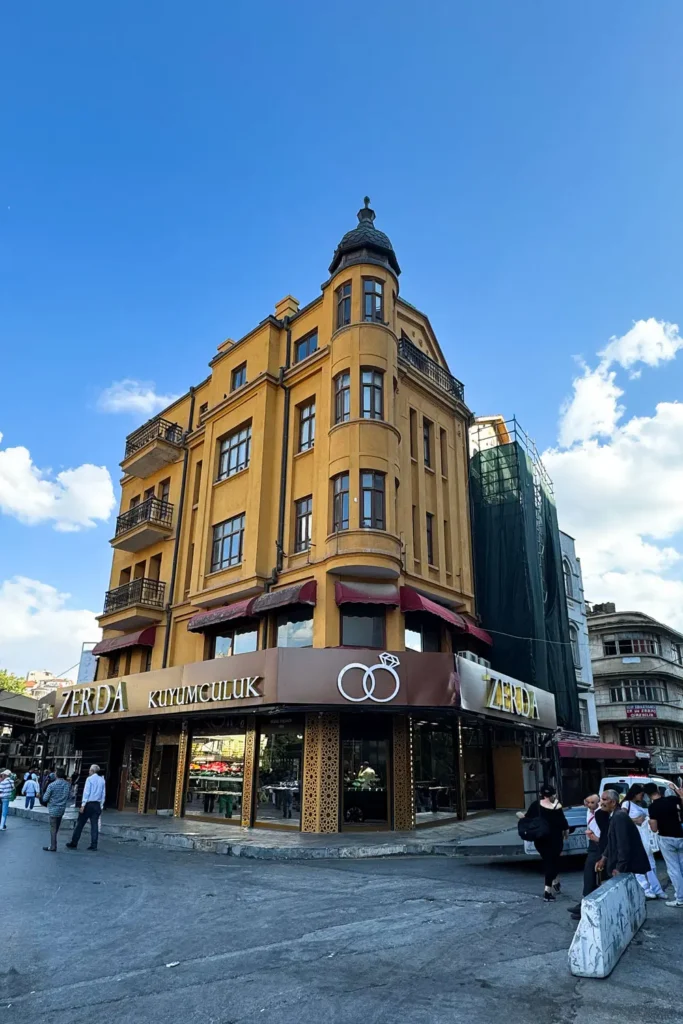
That mixture became one of the most interesting parts of my visit.
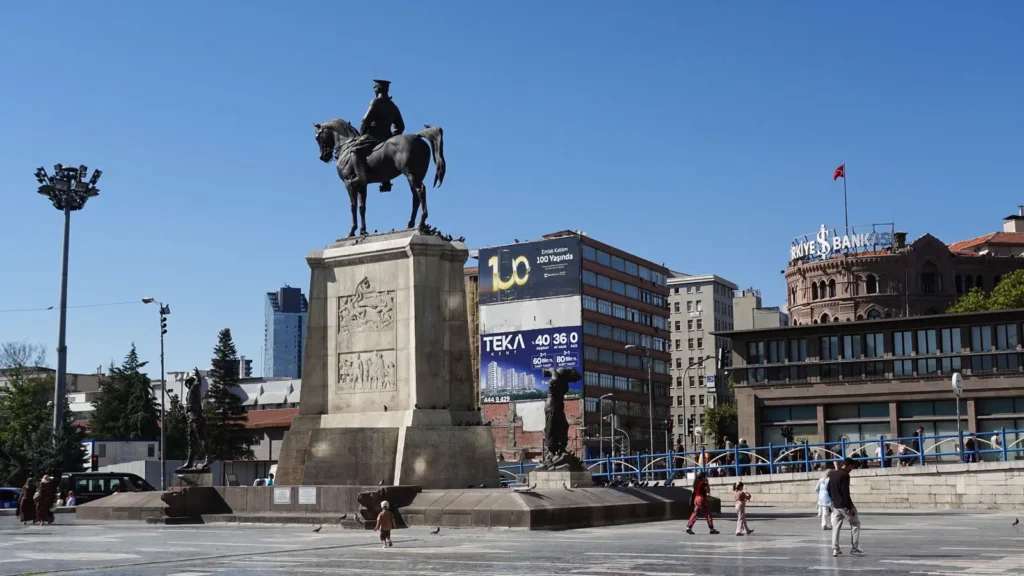
The historic importance of the area becomes clearer around Ulus Square. The Ulus Republic Monument was erected in 1927, while the First Grand National Assembly building stands nearby. The building now used as the War of Independence Museum served as the assembly building from 23 April 1920 until 15 October 1924.
This Republican layer is only one part of what can be encountered around Ulus. Roman remains and Ottoman-era religious heritage are also visible within the wider historic district.
That concentration of different periods is what makes walking here more rewarding for me than simply moving from one famous attraction to another.
Watch My Walk Through Ulus, Ankara
Photographs are useful for showing individual buildings and streets, but video gives a better sense of the movement, scale and atmosphere of Ulus. I recorded this video during my own visit to Ankara, so you can see another first-hand view of the district before continuing through the guide.
Ulus Is Still an Everyday Part of Ankara
The streets that made the strongest impression on me were not necessarily the most famous ones.
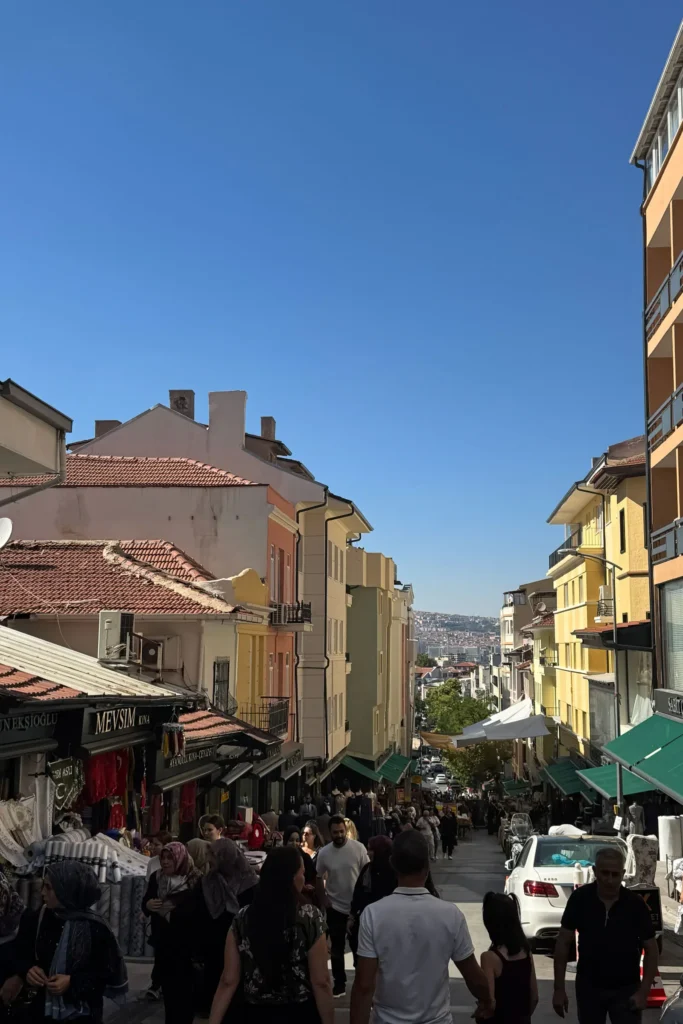
In some parts of Ulus, the sidewalks and shopfronts are filled with merchandise. During my visit, I saw streets busy with pedestrians and shops selling practical goods rather than products designed primarily for tourists.
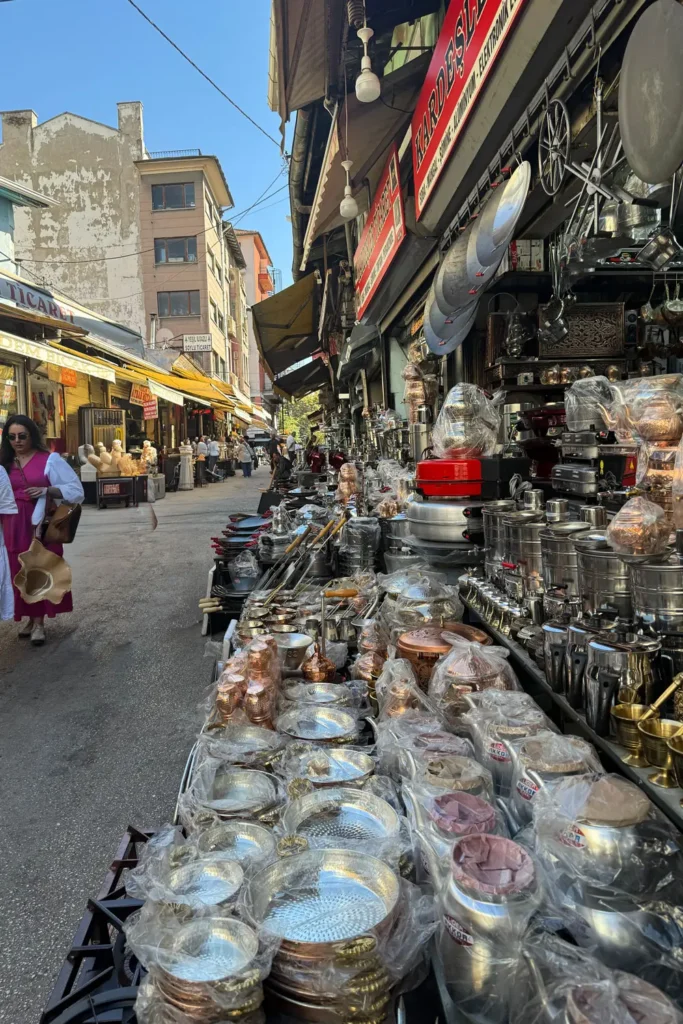
These streets changed how I understood Ulus.
Online, it is easy to encounter Ankara as a collection of individual attractions: Ankara Castle, a Roman site, a museum, a mosque, a market. On foot, the spaces between those attractions become part of the visit.
You see what people are buying. You move through active commercial streets. You notice older buildings that are not necessarily famous enough to appear in a guidebook.
The atmosphere is difficult to capture completely in still photographs. During my visit, the movement of people, the dry Ankara air and the ease I personally found in talking with people contributed to my impression of the district.
I would not describe that single visit as proof that Ulus is always crowded or that everyone will have the same social experience. It is simply what I encountered when I walked there.
For me, however, this ordinary side of Ulus was not something to rush through on the way to the major sights. It was part of the reason to visit.
Reading Ankara’s History While You Walk
Ulus becomes much more interesting when you understand that its historic places do not all belong to one period.
Around Hacı Bayram, for example, the mosque stands next to the remains of the Temple of Augustus. UNESCO’s Tentative List documentation describes the Hacı Bayram district as part of Ulus and notes that its historic fabric includes Ottoman, Early Republican and later-period buildings.
That does not mean Hacı Bayram or Ulus is a UNESCO World Heritage Site. Hacı Bayram Mosque and its surrounding district are on Türkiye’s World Heritage Tentative List.
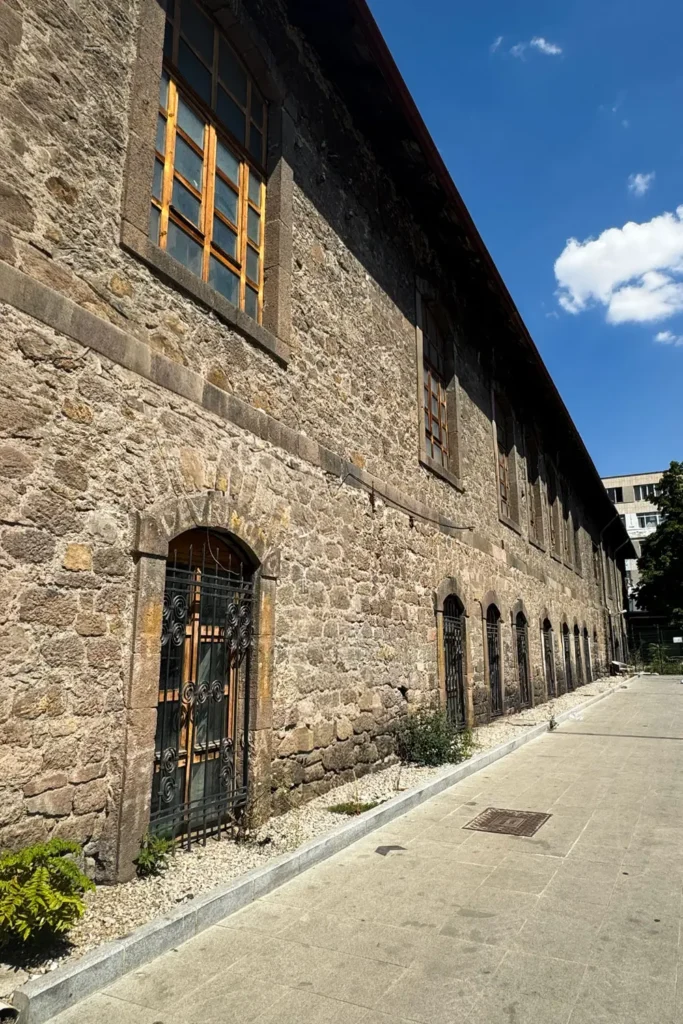
The larger point for a visitor is easy to see on foot: different periods of Ankara survive remarkably close to one another.
The same idea becomes visible again around the Roman remains.
The Roman Theatre is particularly useful for understanding this relationship because the archaeological remains sit within the surrounding urban fabric.
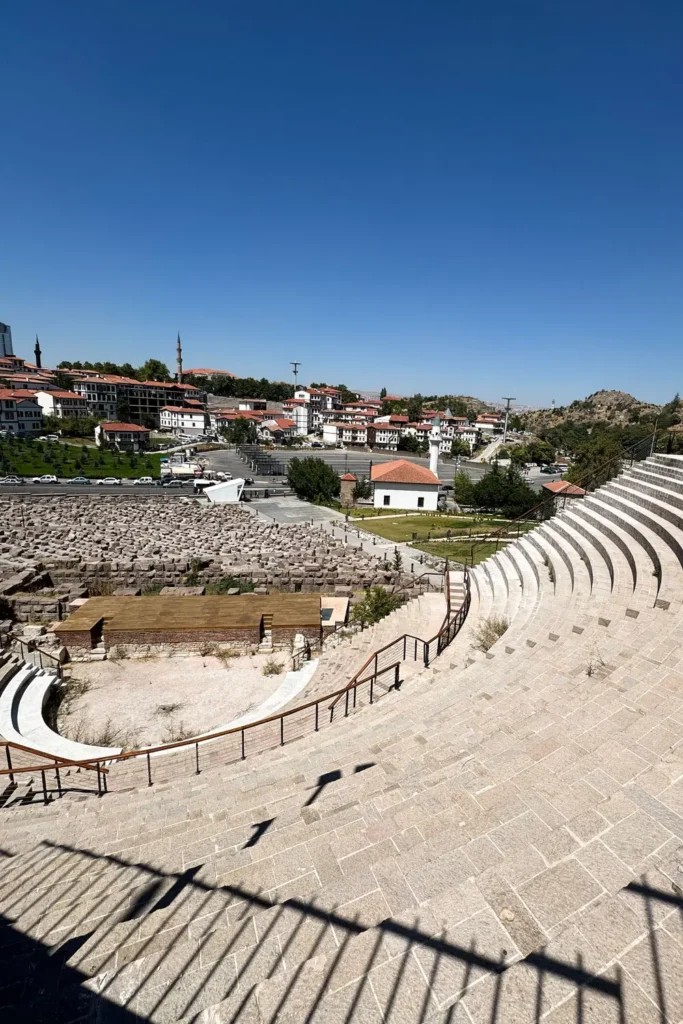
The Roman Baths provide another major Roman reference point in the district. The Ministry of Culture and Tourism places the site about 400 metres from Ulus Square and identifies the surviving bath complex with the third century AD and the reign of Caracalla.
Rather than turning this Ulus guide into a second full article about the baths, I would treat them as part of the wider historical landscape. Travelers who want the archaeological details can continue to the separate Roman Baths of Ankara guide.

The important thing to understand while walking Ulus is that history does not appear in chronological order. You move between periods as you move through the streets.
Walking Toward Ankara Castle
At some point, the character of the walk changes.
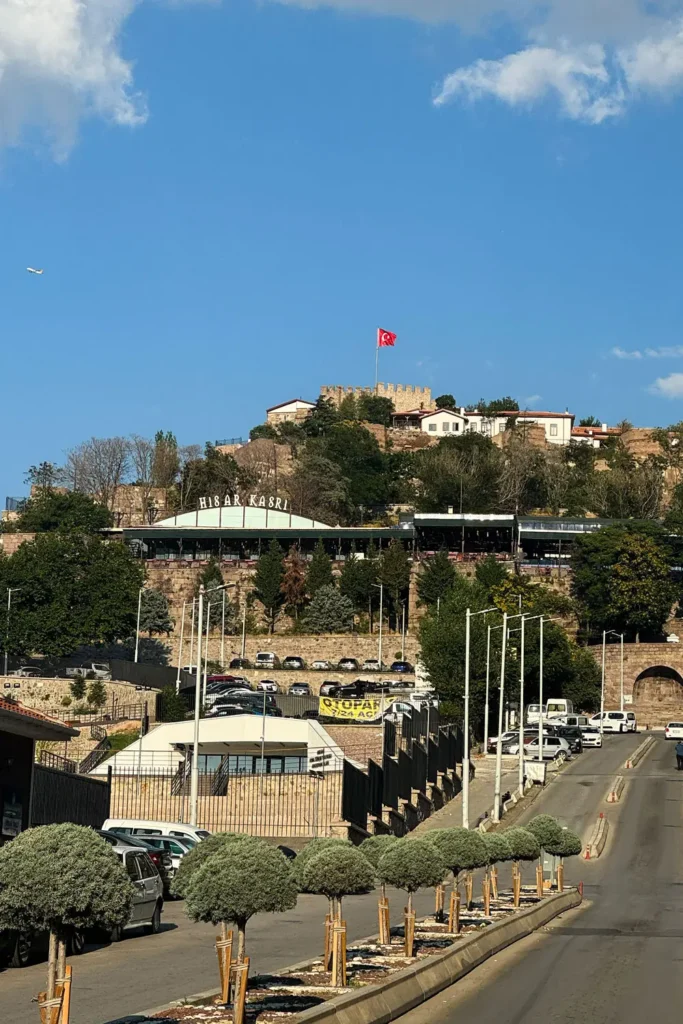
Signs begin directing visitors toward Ankara Castle, the Museum of Anatolian Civilizations and other cultural sites.
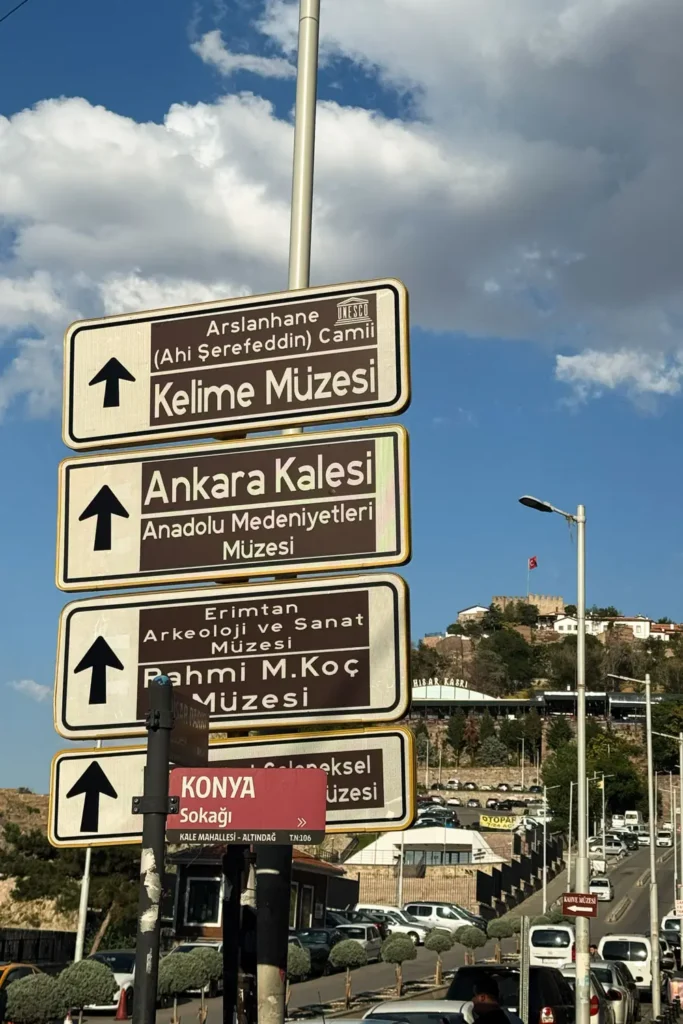
This photograph is useful for a reason that has little to do with beauty: it shows how several cultural destinations are signposted from the same historic area.
But it can also create a misleading impression if you focus only on the names on the sign.
Being in the same general sightseeing district does not mean that walking between them is physically effortless.
The climb was one of the things that became much clearer to me on site than it had been beforehand.
Ulus Metro Station provides access to the historic center, but reaching the higher castle area still involves walking uphill.
That distinction matters when planning your day.
The Climb Is Part of the Experience
Ankara Castle dominates the historic district from above, and seeing it from the streets below helps explain the geography of Ulus.
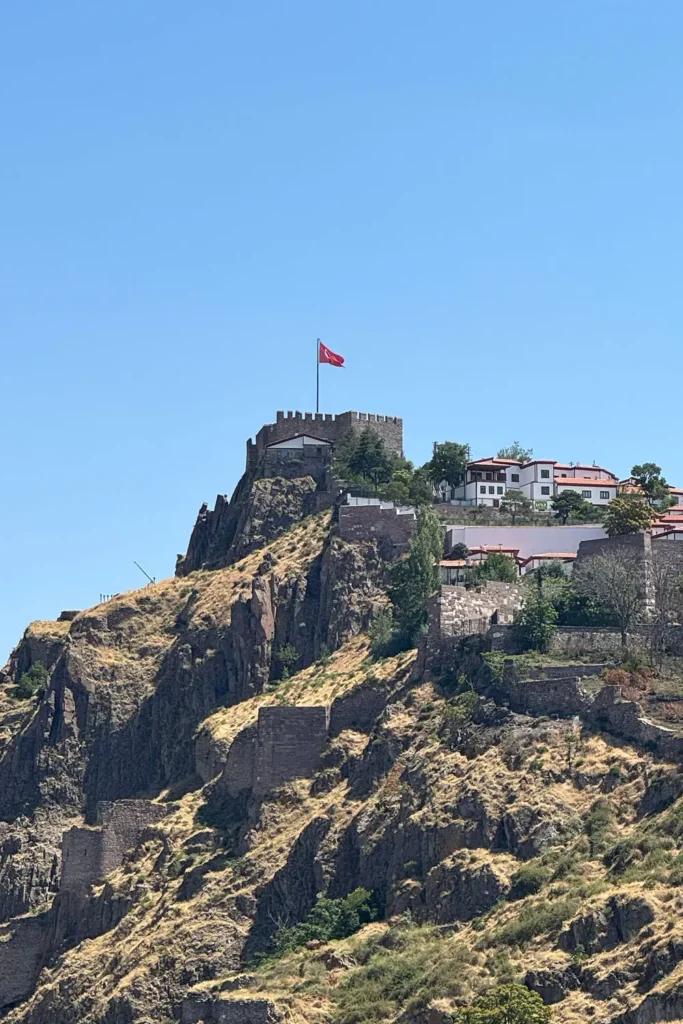
As you move higher, the practical side of the visit becomes more important.
My route included slopes, stone surfaces and stairs.
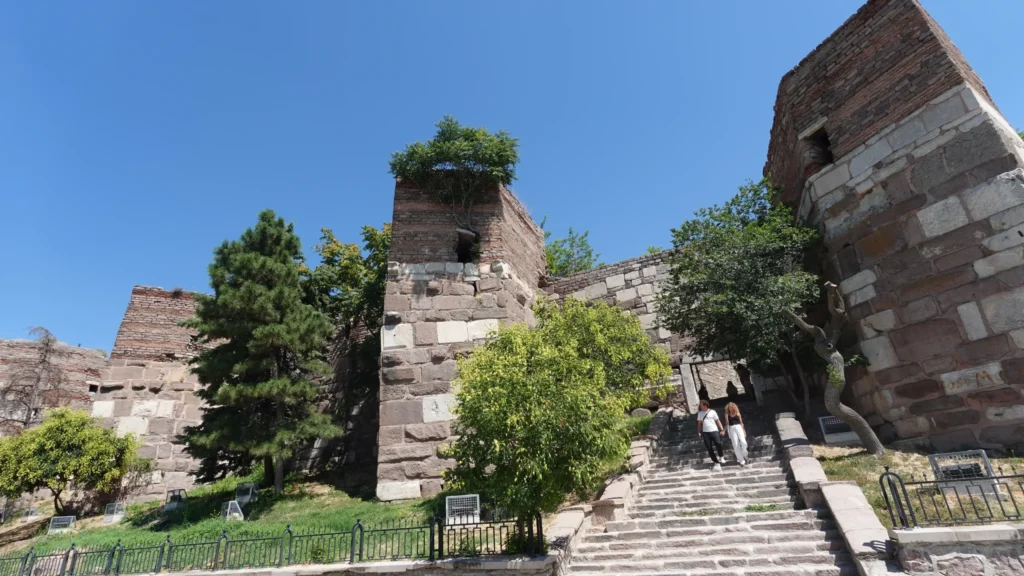
This is why comfortable walking shoes are one of my clearest personal recommendations.
I would also avoid carrying more than necessary if I planned to spend several hours walking around Ulus and the castle area. That is my own practical judgment rather than an official visitor rule, but it follows directly from the terrain I encountered.
Travelers with limited mobility should investigate the exact attractions and route they intend to use before visiting. A photograph of one staircase is not enough to label the entire district accessible or inaccessible, and different attractions can have different access conditions.
For travelers comfortable with hills and stairs, however, the changing elevation can also add context to the visit because the relationship between the castle and the lower city becomes increasingly clear.
The Castle Changes How You Understand Ulus
From below, Ulus can feel dense.
There are shops, pedestrians, traffic, signs and historic structures competing for attention.
From higher ground, the relationship between old Ankara and the modern capital becomes much easier to see.
This was one of the most valuable parts of the walk for me.
The view does more than provide a photograph. It gives geographical context to what you have just walked through.
Older roofs and streets occupy the foreground, while the much larger modern city spreads beyond them.
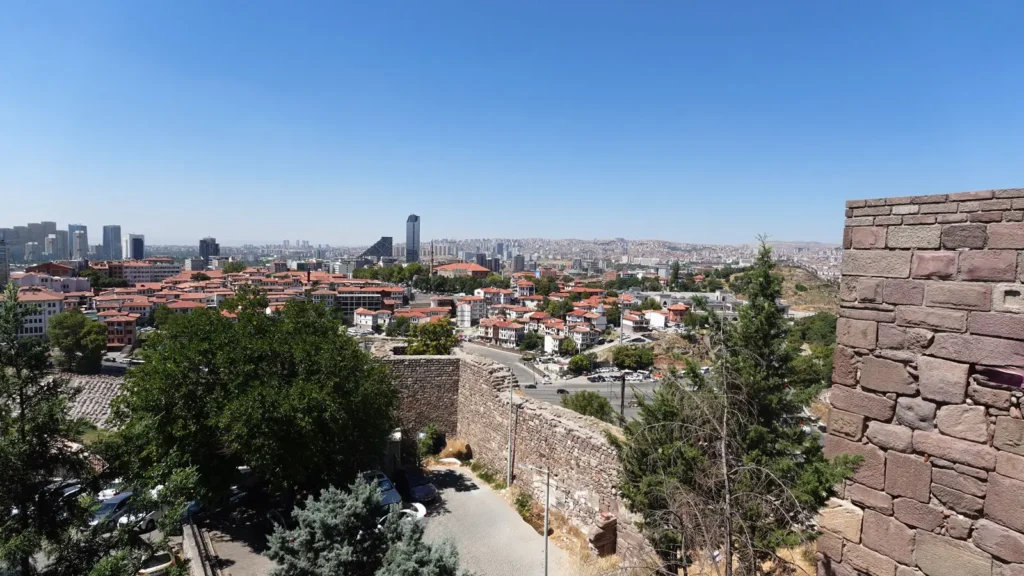
For me, that contrast helped explain why Ulus matters. The historic district is not experienced in isolation from modern Ankara; it is surrounded by the contemporary capital.
If you are mainly interested in Ankara Castle itself—its walls, streets, viewpoints and practical details—the separate Ankara Castle guide is the better place for that depth. In this Ulus guide, the castle matters because it forms the upper end of the walking experience and changes the way you see the district below.

Around the Castle, Ulus Changes Again
Near the castle, some streets felt more deliberately visitor-facing during my visit.
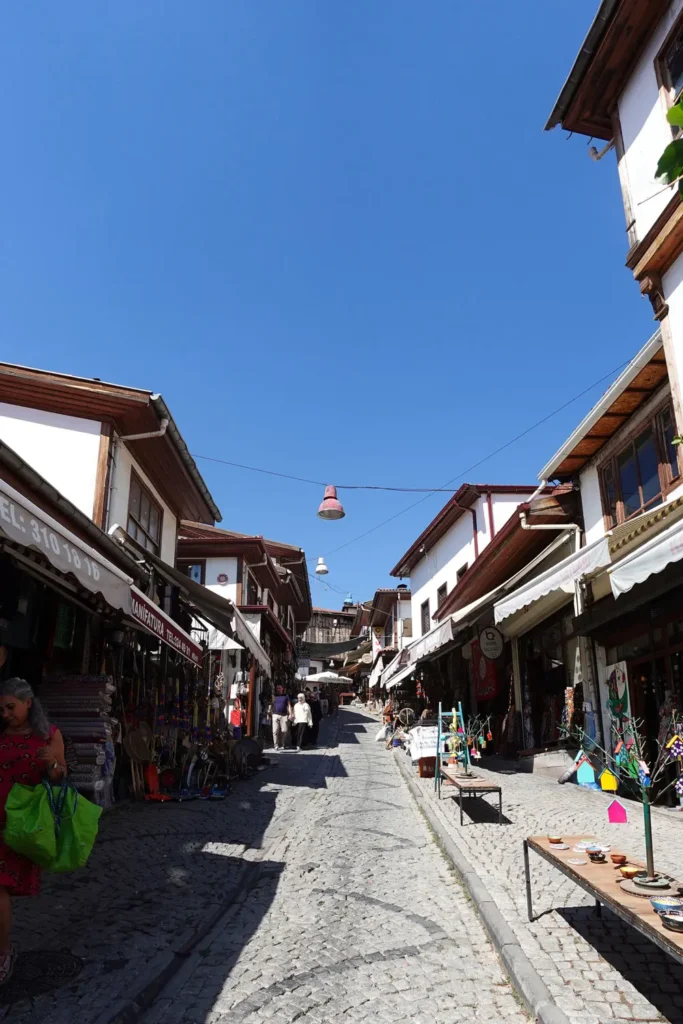
Restored traditional-style buildings, cafés, souvenir displays and cobbled lanes created a different atmosphere from the busier commercial streets lower down.
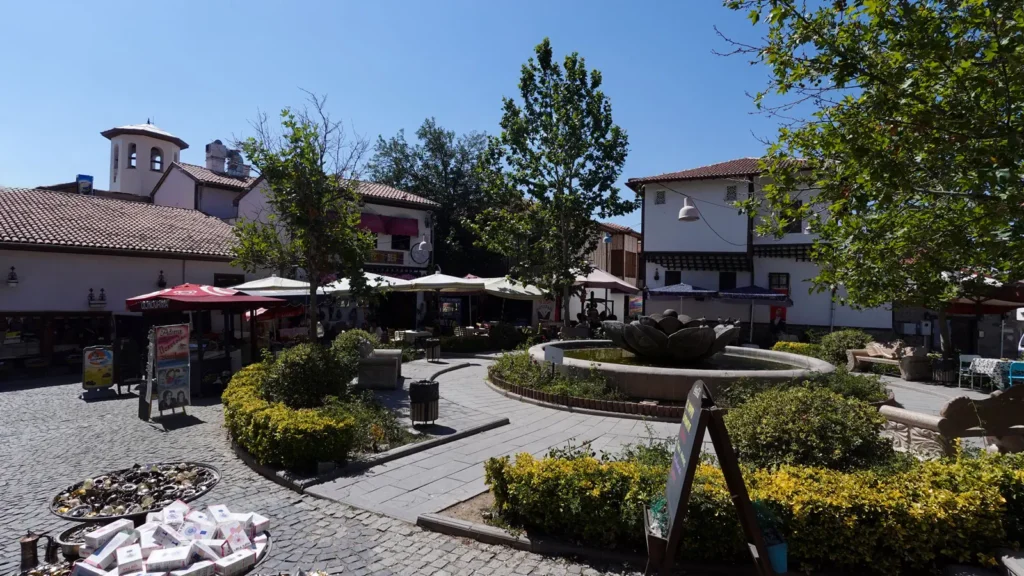
I would not use these streets alone to represent Ulus.
They are attractive, but the district made more sense to me when I experienced both sides: the more visitor-oriented historic environment near the castle and the ordinary commercial streets below.
That contrast is one of the reasons I would walk through the district rather than experience only the castle area.
How Much Time Do You Need in Ulus?
My own visit lasted about two and a half hours, using the metro and then exploring on foot.
That is a record of my visit, not an official or universal recommended duration.
If I had only a short time, I would concentrate on experiencing the district rather than trying to enter every attraction. Ulus Square, part of the commercial area and a walk toward the castle already reveal several different sides of the historic center.
For a longer visit, individual attractions such as the Roman Baths, Hacı Bayram Mosque and the Temple of Augustus, the Museum of Anatolian Civilizations or Ankara Castle can be added according to your interests and their current opening conditions.
The mistake I would avoid is trying to collect too many destinations simply because they look close together on a map.
Distance is only part of the calculation here. Elevation, museum visits, busy streets and the time spent actually looking at the city all matter.
Getting to Ulus and Planning the Walk
I used the metro and started my walk from Ulus Metro Station.
Where Is Ulus? Map and Starting Point
Ulus is in the Altındağ district of central Ankara and is one of the most practical starting points for exploring the city’s historic center on foot. I began my own walk from Ulus Metro Station.
If this is your first visit, I recommend opening the area in Google Maps before you start walking. The historic sights are relatively close together, but the route toward Ankara Castle becomes noticeably uphill.
This map is useful as a general orientation for the Ulus walk described in this guide. From the lower historic center, you can continue through the commercial streets and historic sites before climbing toward Ankara Castle.
EGO, Ankara’s municipal transport operator, currently lists Ulus on the M1 Kızılay–Batıkent route.
For me, metro plus walking was a straightforward way to approach the district.
Once above ground, I found it useful to think of the visit in two stages.
The first was the lower historic center: Ulus Square, commercial streets and nearby historic sites.
The second was the climb toward the castle area.
That is not an official sightseeing route. It is simply a practical way of understanding the walk I made.
A few lessons from my visit are straightforward: wear shoes you already know are comfortable, expect substantial walking if you want to explore the area properly, and do not plan the route as if every nearby attraction were on flat ground.
If you are visiting a museum or ticketed archaeological site, check its official page shortly before your visit rather than relying on an old blog post for opening hours or admission information.
This is particularly relevant at the time of writing. As verified on 30 September 2026, the official Museum of Anatolian Civilizations page lists the museum as open but states that the Ankara Hall and Classical Hall are closed for maintenance and repair from 14 September 2026 to 2 March 2027.
Because temporary conditions can change, check the official museum page again before your visit.
What Should You Combine with Ulus?
Ulus works well as a base for exploring several more focused historic attractions.
For Roman history, the Roman Baths deserve their own visit and detailed guide.
For the view, old streets and the physical experience of climbing above the historic center, continue toward Ankara Castle.
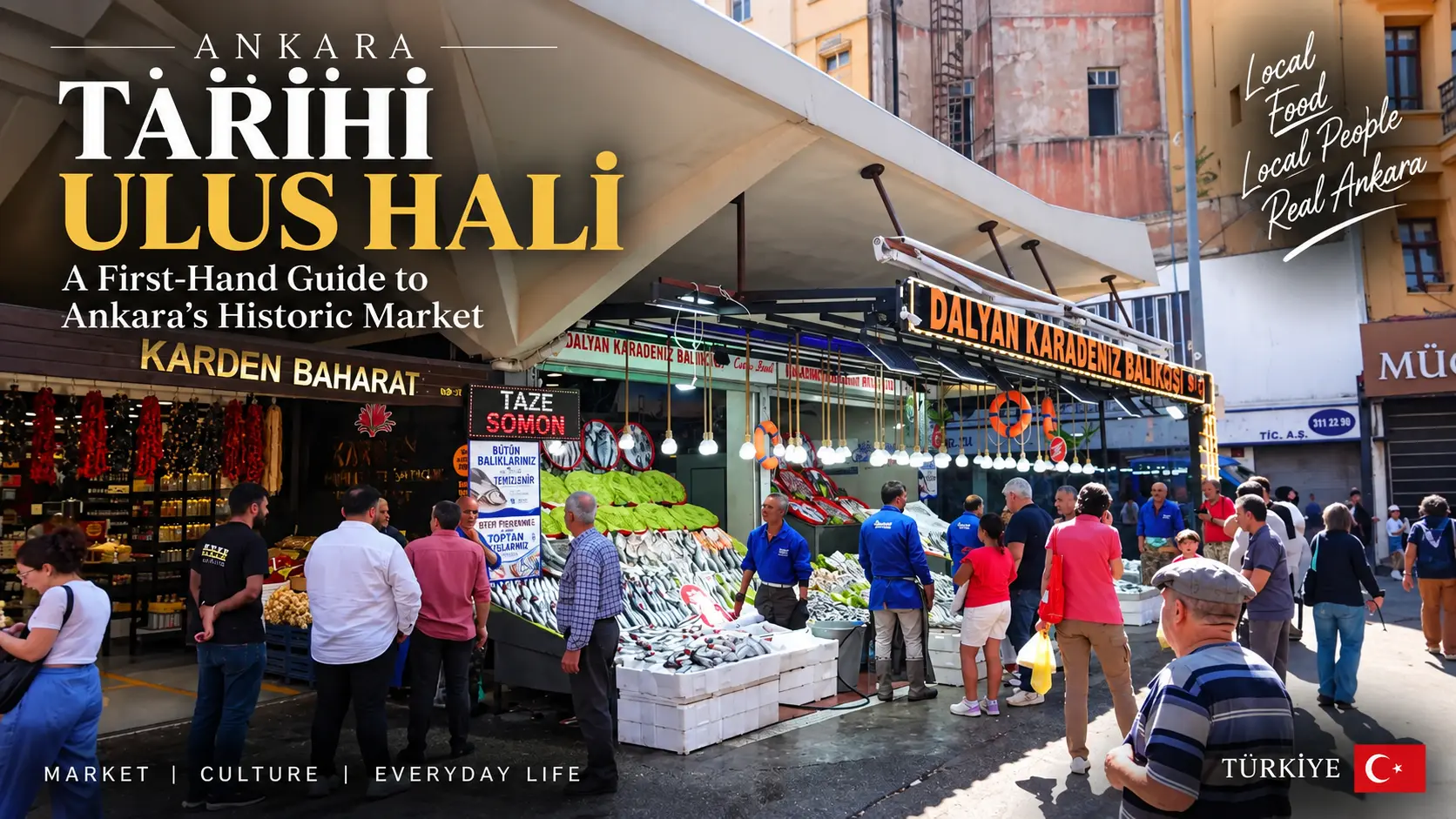
For everyday food-market culture, Tarihi Ulus Hali provides a more focused look at another side of the district.
Hacı Bayram Mosque and the Temple of Augustus are particularly interesting to see together because they place very different historical periods side by side.
The Museum of Anatolian Civilizations is an obvious option for travelers interested in archaeology, but check the current gallery status before planning the visit.
The First Parliament building, now the War of Independence Museum, adds another historical layer to the wider Ulus area.
Trying to explain all of those places in full here would make this article less useful. Ulus is the connecting story. The individual guides are where each site can be explored in depth.
Who Will Enjoy Ulus Most?
I would particularly recommend Ulus to first-time visitors who want to understand Ankara rather than simply see its most famous monuments.
It is also a good fit for travelers who enjoy history, archaeology, markets, street photography and observing ordinary urban life.
The district may be a lower priority if your time in Ankara is extremely short and your interests are mainly modern shopping, fashionable cafés or highly polished tourist environments.
It also required more walking than I had expected before exploring the wider area.
I would visit again.
The reason is not that I missed one particular monument. It is that Ulus contains enough different sides of Ankara—daily life, old streets, markets, archaeology, Republican history and the climb toward the castle—to make another walk worthwhile.
There is more to observe than a single visit can reduce to a checklist.
Discover Ankara Through Barış & Noah
This article describes the real Ulus and my own experience of walking through Ankara’s historic center.
I also write Barış & Noah, a continuing fictional journey across Türkiye. If this guide has made you curious about Ankara, the novel offers a different way to discover the city—through story, travel, atmosphere and the experiences of its characters.
The novel is separate from the factual travel information in this guide. I am not suggesting that Ulus is the confirmed setting of a particular episode. Instead, Barış & Noah gives readers another way to experience Ankara and Türkiye beyond a conventional sightseeing guide.
Barış & Noah — A Story Across Türkiye
Discover Ankara and Türkiye through the fictional journey of Barış and Noah.
Explore the Barış & Noah story →

Final Verdict
Ulus is most rewarding when you stop treating it as a collection of pins on a map.
Its main strength is the proximity of very different versions of Ankara: Roman remains, Ottoman religious heritage, early Republican landmarks, traditional streets, ordinary markets and the castle above them.
Its main limitation is also part of its character. The district is not uniformly restored or polished, and exploring it properly can involve substantial walking and uphill sections.
My own walk lasted about two and a half hours. If you intend to enter several museums and historic sites, plan additional time and check their current opening conditions before visiting.
Most of all, I would not come to Ulus only to tick attractions off a list.
I would come here to walk.
FAQ
- Is Ulus worth visiting in Ankara?
-
I think so, particularly if you are interested in Ankara’s history, archaeology, traditional commercial streets and everyday urban life. Travelers looking mainly for luxury shopping or a highly polished tourist district may give it a lower priority.
- How long should I spend in Ulus?
-
My own walk lasted about two and a half hours. Treat that as a first-hand reference rather than a fixed recommendation. Entering several museums and historic sites will require additional time.
- How do I get to Ulus?
-
EGO currently lists Ulus station on Ankara’s M1 Kızılay–Batıkent metro route. I personally used the metro and continued on foot.
- Is Ulus easy to walk around?
-
My route was not uniformly flat. It included substantial walking, slopes and stone stairs as I moved toward Ankara Castle. Comfortable footwear is advisable. Travelers with mobility concerns should check the access conditions of the specific places they intend to visit.
- What should I see around Ulus?
-
The wider historic area includes Ulus Square, the First Parliament building, Hacı Bayram Mosque and the Temple of Augustus, the Roman Baths, the Museum of Anatolian Civilizations and Ankara Castle. Choose according to your interests rather than assuming you need to visit everything in one walk.
- Is Hacı Bayram a UNESCO World Heritage Site?
-
No. Hacı Bayram Mosque and its surrounding district are on Türkiye’s UNESCO World Heritage Tentative List. That is different from inscription on the World Heritage List.
- What is the best thing about Ulus?
-
For me, it is the transition between different versions of Ankara. Ordinary shopping streets, archaeological remains, historic buildings and the climb toward Ankara Castle all become part of the same walking experience.
Official Sources
- Republic of Türkiye Ministry of Culture and Tourism — Roman Baths Archaeological Site.
- Republic of Türkiye Ministry of Culture and Tourism — War of Independence Museum / First Grand National Assembly Building.
- Ankara Provincial Directorate of Culture and Tourism — Ulus Republic Monument.
- Museum of Anatolian Civilizations / Republic of Türkiye Ministry of Culture and Tourism — current museum and temporary gallery information.
- UNESCO World Heritage Centre — Hacı Bayram Mosque and its Surrounding Area, Tentative List.
- EGO General Directorate — M1 Kızılay–Batıkent Metro route and Ulus station.
LAST VERIFIED: 30 September 2026